Chris Millenat Edinburgh Dental Specialists

For patients

Referred by your dentist? Here's what to expect.

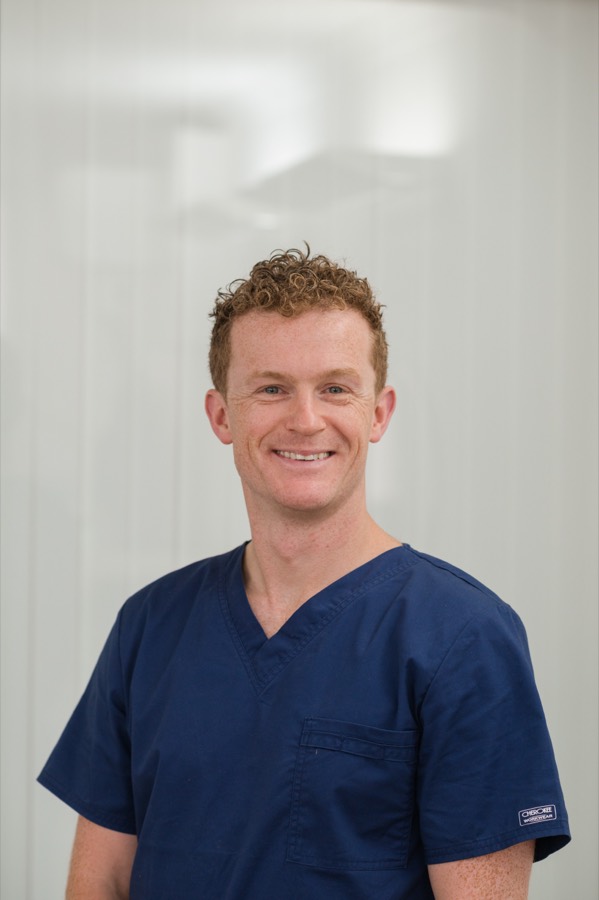
I'm Chris Millen, a specialist in restorative dentistry, prosthodontics and periodontics at Edinburgh Dental Specialists on Rose Street. You'll be looked after by me and my nurse, Bev.

What happens

From referral to back with your dentist

Your own dentist stays your dentist. I see you for the specialist part of your care.

  1. Your dentist refers you

    Your dentist sends a referral to the practice. You can also refer yourself: how to get a referral.

  2. We get in touch

    You'll receive a letter to say you've been referred. Our referral coordinator then contacts you, explains the process and the cost, and books your appointment. You'll get written confirmation, details about the practice, and a reminder before you come.

  3. Your first visit

    We talk about your medical history and what's bothering you, and I examine your mouth. Most importantly, we talk about what matters to you.

  4. A planning visit

    Often we book a second visit to take everything needed to understand your mouth fully: photographs, a scan of your teeth, x-rays and a 3D scan where needed, and a full gum assessment.

  5. Your written report

    I send you a detailed report of what I found, what it means, and your treatment options, with costs. Your dentist receives a copy too. I encourage you to talk it over with them.

  6. Treatment, then back to your dentist

    If you go ahead, we plan treatment around you. When it's complete, I write to your dentist and you return to them for your routine care, with reviews here at the right times.

Your choice is always respected.

Chris Millen

Who I am

Listening first

I trained in Glasgow and Edinburgh, spent a year at the University of Bern in Switzerland as an ITI Scholar, and worked as an NHS consultant in Edinburgh from 2014 to 2023. Since 2015 I've seen patients on referral at Edinburgh Dental Specialists.

I'll spend time finding out what's bothering you and what you'd like, and explain things in plain language. You won't be pressured. My job is to give you honest advice and your options; the decision is always yours.

I work with my nurse, Bev. Many patients mention her by name, and she's a big part of how we look after you.

I always treat and speak to my patients how I would want to be treated.

What I offer

Why your dentist may have referred you

  • Dental implants
  • Gum disease (periodontitis)
  • Smile transformation
  • Full-mouth rehabilitation
  • Teeth with a lot of previous dental work that is starting to fail
  • A full assessment and plan when problems haven't been resolved

Explained simply

Four things patients often ask me about

Gum disease, and how it's treated

Gum disease (periodontitis) is an inflammatory condition. Plaque at the gum line sets off the body's defences, which over time can damage the gum and bone that support the teeth. Treatment starts with refining how you clean, then cleaning below the gum so it can heal. We then reassess and plan any next steps together.

Smoking and diabetes. Gum disease is linked with smoking and with diabetes. The European guideline for treating gum disease recommends support to stop smoking, and to control diabetes, for people having gum treatment (Sanz et al. 2020).

Vaping. The British Society of Periodontology has summarised the evidence in Is vaping harmful to oral health?, written by Dr Richard Holliday of Newcastle University (December 2023). In short: vaping is far less harmful to the mouth than smoking, but it isn't risk-free. The risk of gum disease appears lower than with smoking but higher than in people who do neither, and the long-term effects aren't yet known. Its advice is that vaping can help smokers to stop, but people who don't smoke shouldn't start. If you smoke or vape, tell us and we'll talk it through.

If you'd like help to stop smoking, the NHS service Quit Your Way Scotland is free.

Replacing a missing tooth: your options

There are usually four or five options. Sometimes leaving the gap is acceptable, though not at the front, and neighbouring teeth can move. A removable denture can replace several teeth but relies on the other teeth staying healthy. A bridge is fixed to the teeth either side. An implant stands on its own, like a screw in a wall, so it doesn't harm the neighbouring teeth; it needs enough strong bone, which we check with a 3D scan. In some cases, braces can close the gap.

The same smile with an implant replacing the toothA front tooth before treatmentBeforeAfter
A front tooth that couldn't be saved, replaced with an implant.

A broken or heavily filled tooth

A tooth with large fillings can be protected with a crown or an onlay. A crown covers the whole tooth, like a beanie hat. An onlay covers only the part that needs it, like a flat cap. Because an onlay removes less of your own tooth, the tooth is often easier to restore again in the future.

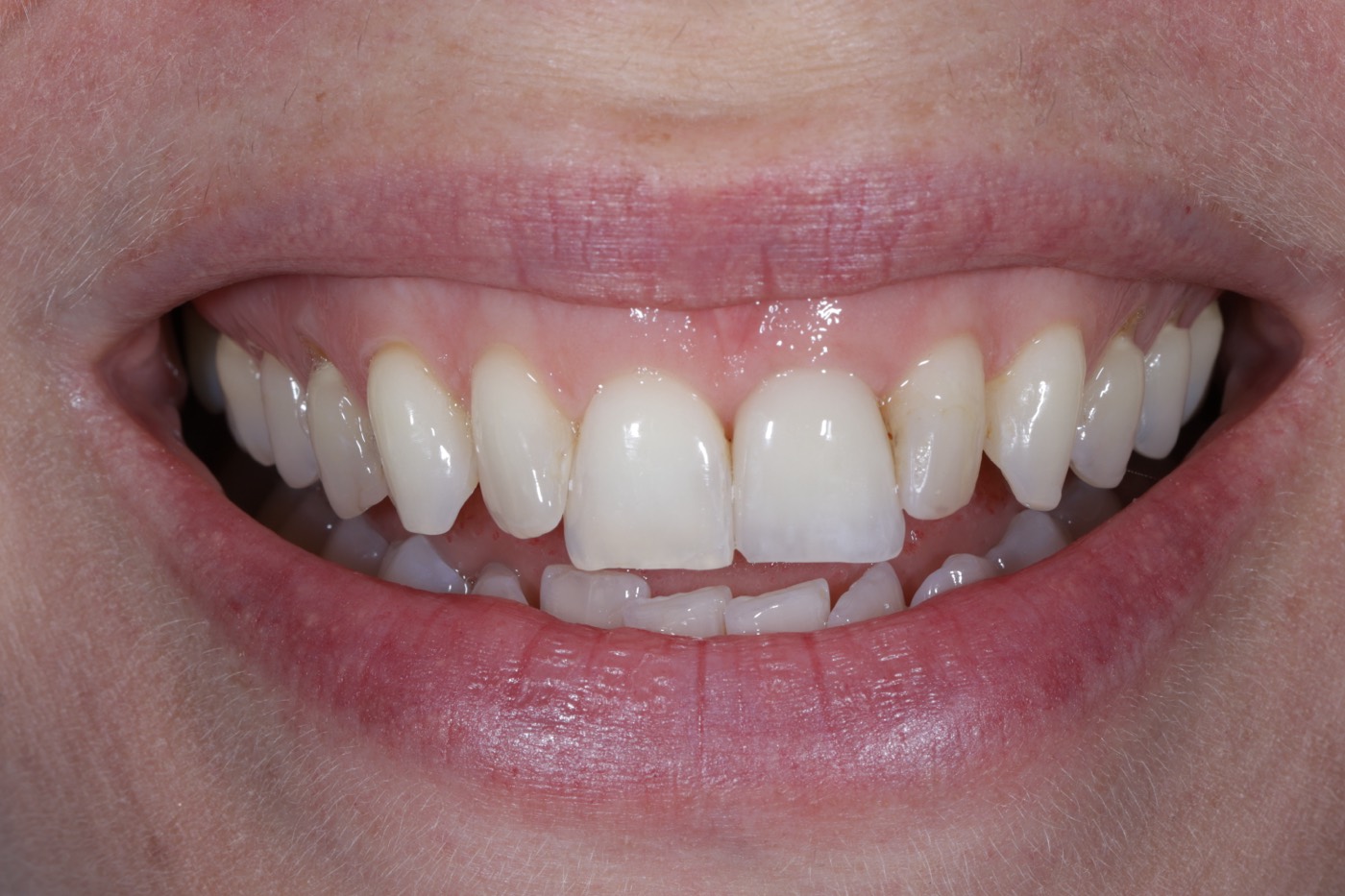
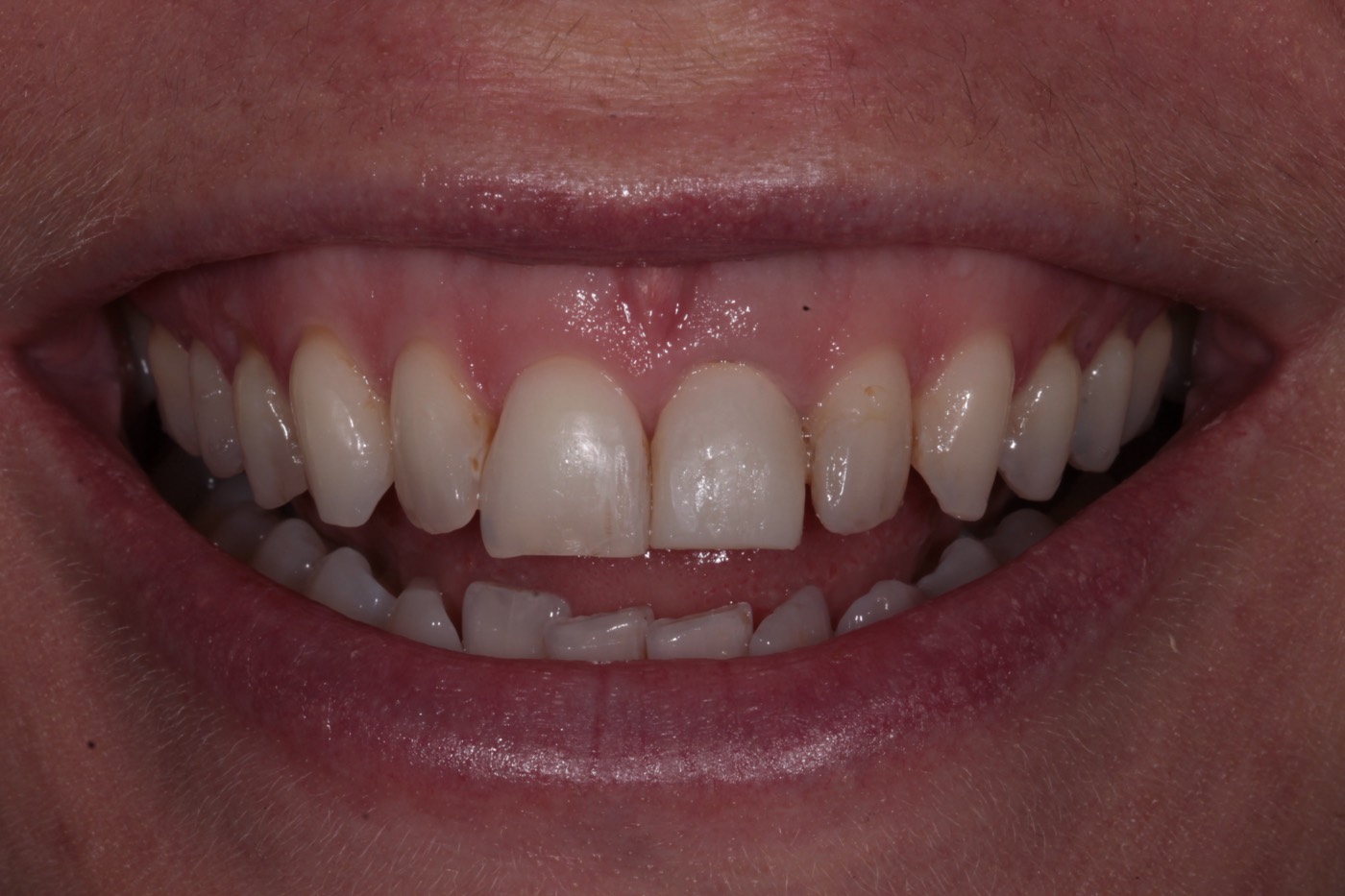
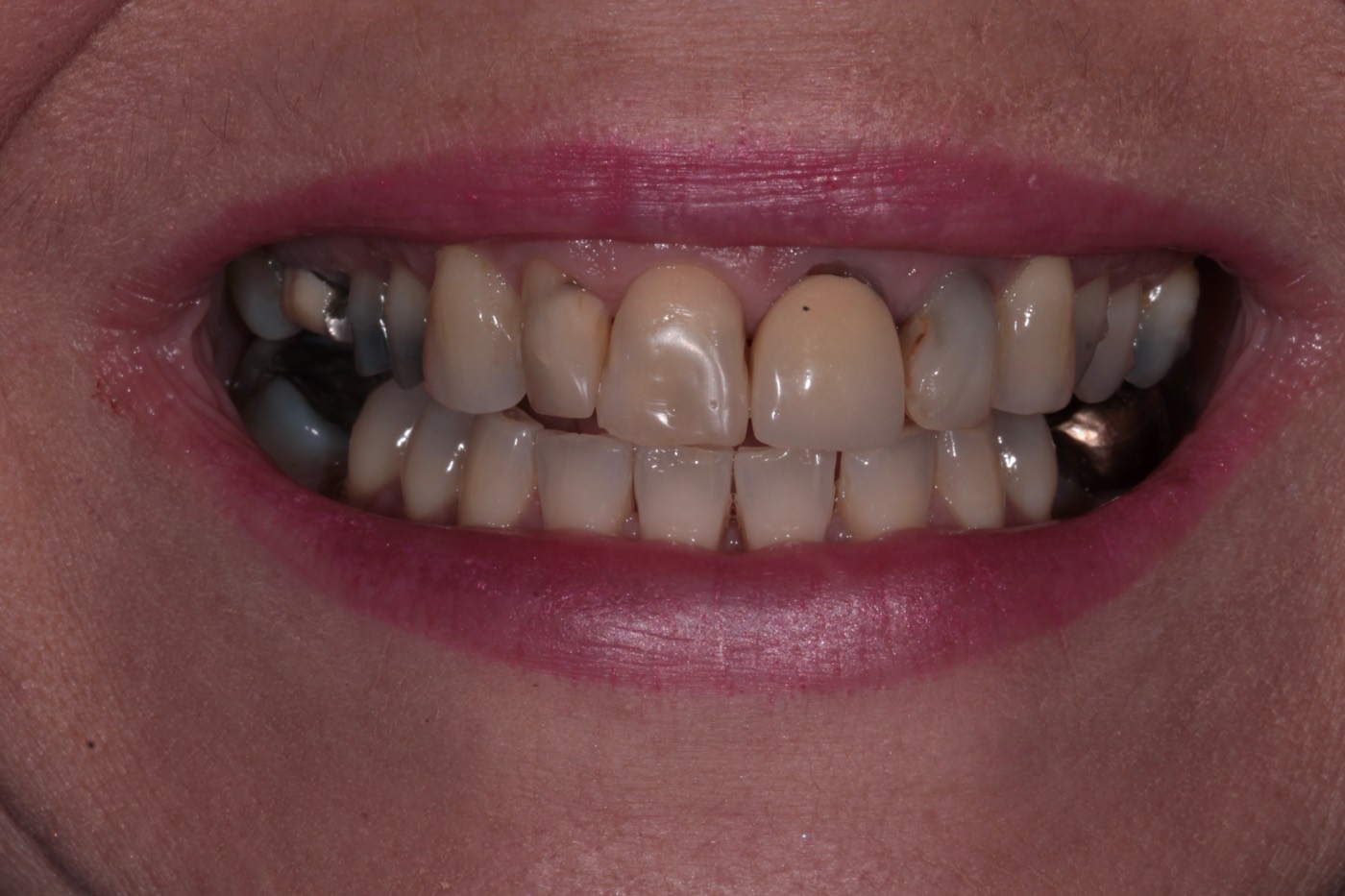
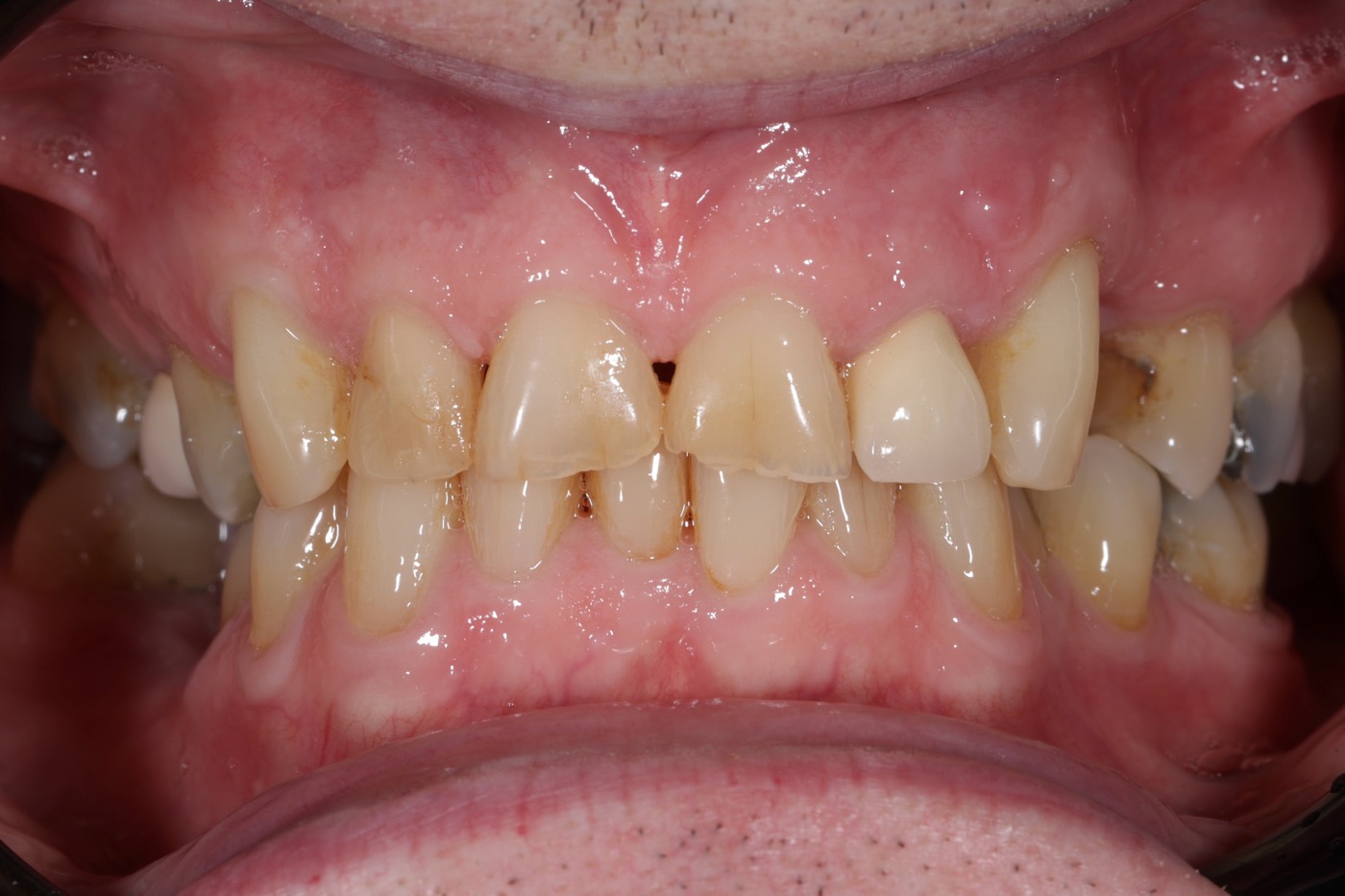
The same smile after treatmentHeavily restored, discoloured front teeth, beforeBeforeAfter
Heavily restored front teeth, rebuilt.
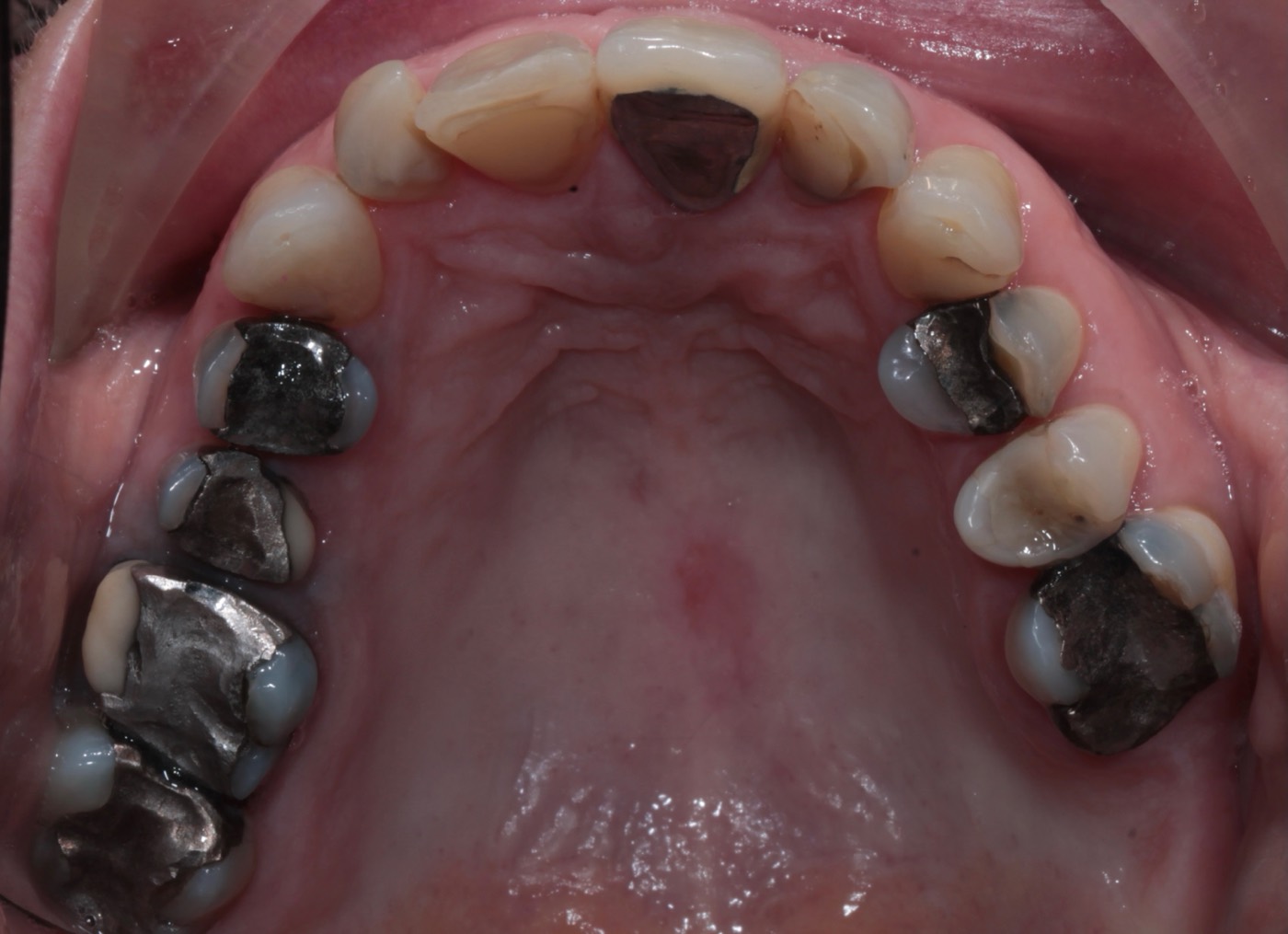
Back teeth with large old fillings, beforeBefore
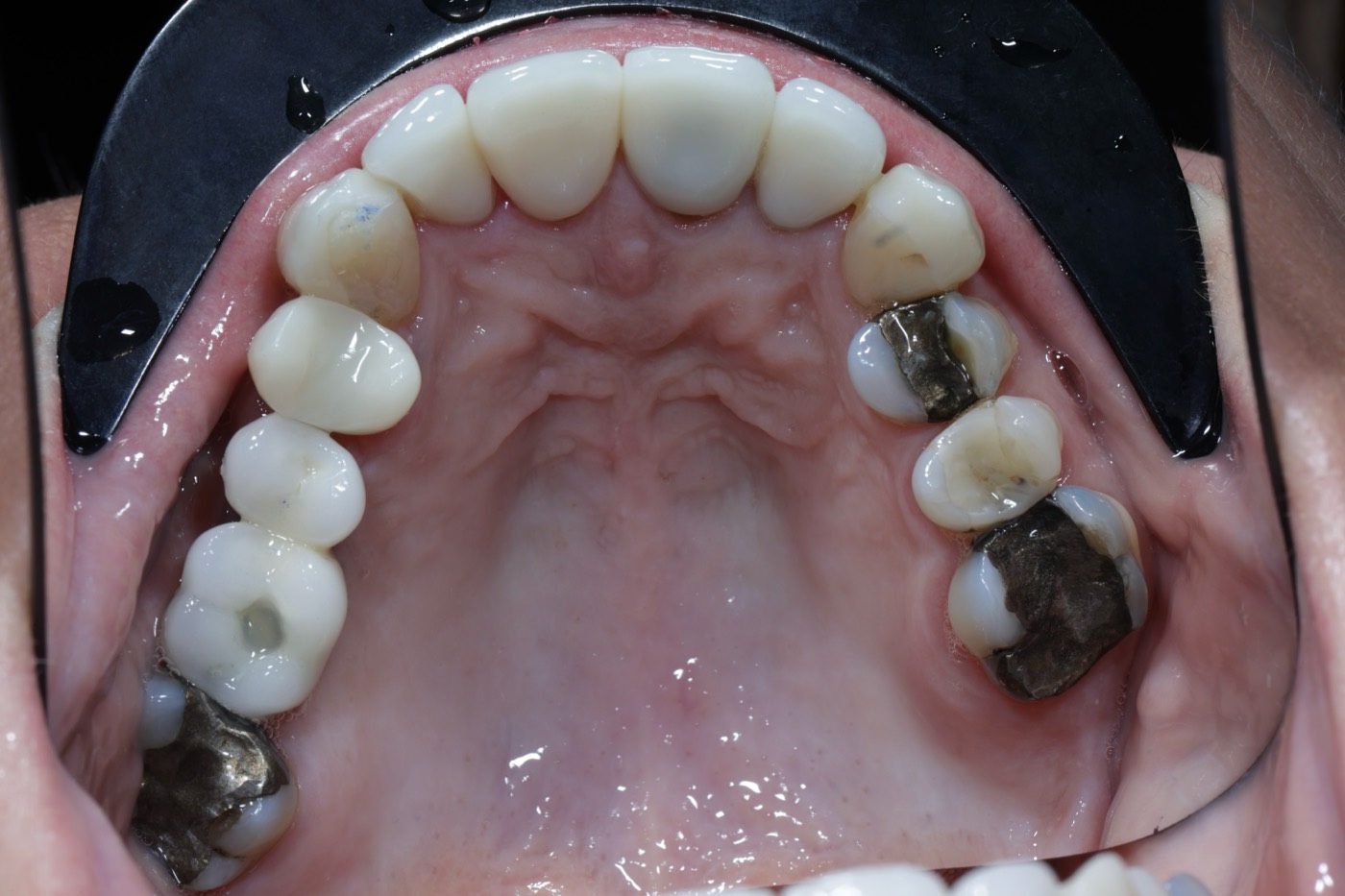
The same teeth restored, afterAfter
Back teeth with large old fillings, restored with onlays and crowns.

Worn, chipped or failing teeth

When teeth are worn, chipped or have a lot of older dental work, I look at the whole mouth and how your teeth meet, then plan treatment in stages. Before we start, a mock-up made in the laboratory lets you see and try the planned result on your own teeth.

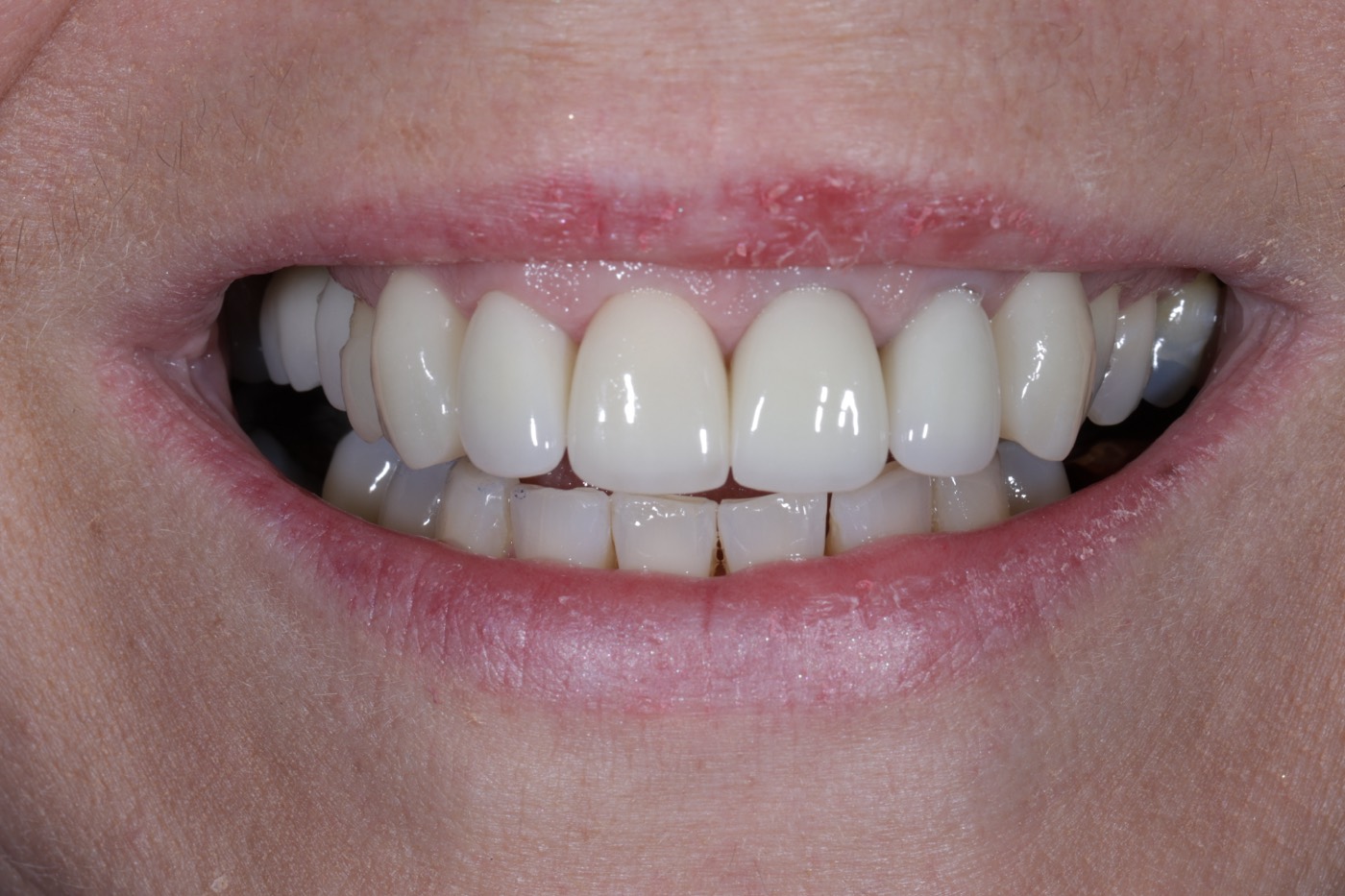
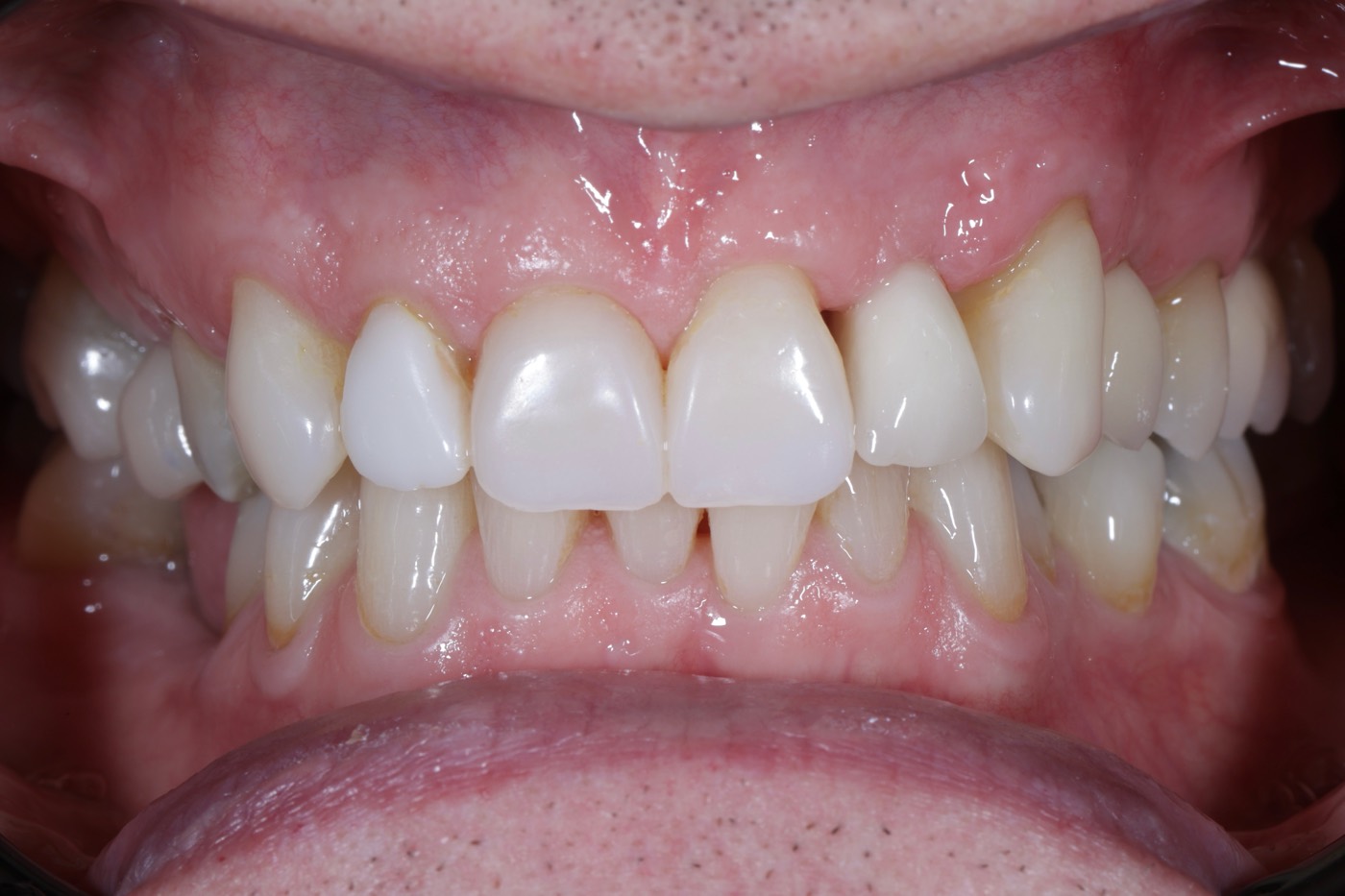
The same teeth rebuilt, afterWorn and chipped teeth, beforeBeforeAfter
Worn and chipped teeth, rebuilt.

Specialists explained

What is a specialist?

A specialist is a dentist whose skills, knowledge and experience in a particular area have met the conditions of the General Dental Council, the UK's dental regulator, to join its specialist list. Only dentists on a specialist list can call themselves a specialist.

Your general dentist looks after your day-to-day dental health. A specialist has completed further training in one area and concentrates on it. Your dentist may refer you when treatment needs a specialist's assessment or planning, such as implants, gum disease, or several problems that need to be looked at together.

I'm on the GDC's specialist lists for Restorative Dentistry, Prosthodontics and Periodontics. GDC number 85443. Check the GDC register.

What patients wrote

In their own words

“From my first visit with Dr Millen and his dental nurse Beverley I was totally put at ease and never felt pressured into anything.”

Patient, Google review

“I was seen by Dr Millen and Bev and they were fantastic! Fully listened and respected what I said and what I wanted. They were very patient with my anxiety and made me feel at ease.”

Patient, Google review

“Each procedure was explained in layman’s terms so I understood exactly what was proposed, how it would be carried out and how the final appearance would be.”

Patient, Google review

“I was referred to Dr Chris Millen for extensive restoration work. After my initial consultation I received a detailed document with a thorough review, diagnosis and treatment plan.”

Patient, Google review

Common questions

Questions patients ask

Do I need a referral to see Chris Millen?

Most patients are referred by their own dentist, but you can also refer yourself. The practice explains how on its website, and the team at Edinburgh Dental Specialists can help on 0131 225 2666.

What does a specialist in restorative dentistry, prosthodontics and periodontics do?

Restorative dentistry covers rebuilding and replacing teeth, prosthodontics covers crowns, bridges, dentures and implant teeth, and periodontics covers the gums and the bone that support the teeth. Chris Millen is on the General Dental Council's specialist lists for all three.

Will I go back to my own dentist?

Yes. Chris Millen does not take on general patients. After treatment he writes to your dentist with a summary, sees you for reviews when needed, and you return to your own dentist for routine care. Your choice is always respected.

How much will treatment cost?

The cost of your first appointment is explained when the practice contacts you. After your planning visit you receive a written report with your treatment options and the cost of each, so you can decide in your own time.

Does smoking or vaping affect gum disease?

Gum disease is linked with smoking, and the European guideline for treating gum disease recommends support to stop smoking for people having gum treatment (Sanz et al. 2020). On vaping, the British Society of Periodontology's 2023 summary of the evidence is that it is far less harmful to the mouth than smoking but not risk-free: the risk of gum disease appears lower than with smoking but higher than in people who do neither.

Where is the practice?

Edinburgh Dental Specialists, 178 Rose Street, Edinburgh EH2 4BA, in the city centre. Phone 0131 225 2666.

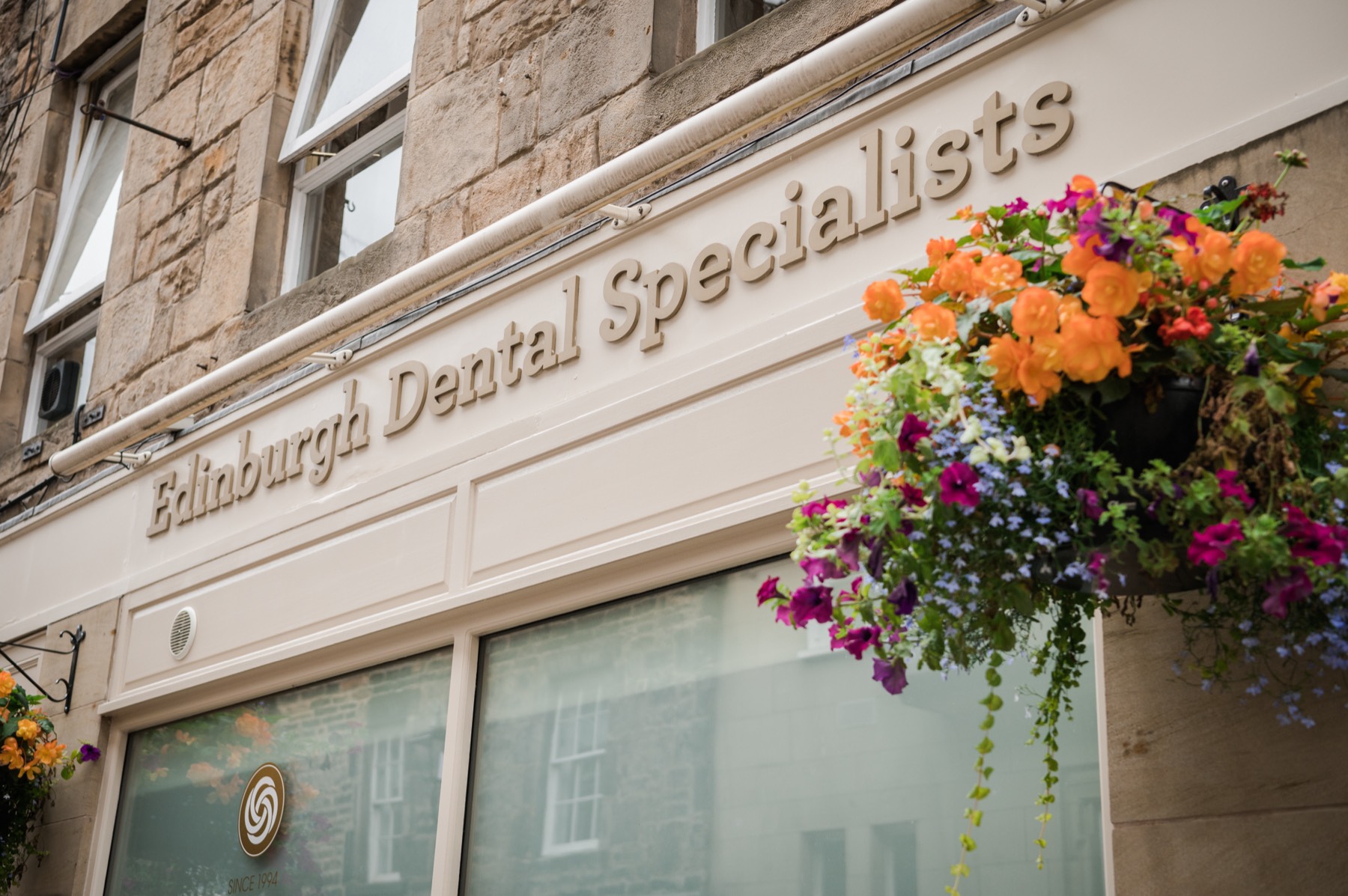
Edinburgh Dental Specialists on Rose Street, Edinburgh

Find us

Where you'll be going

Edinburgh Dental Specialists
178 Rose Street
Edinburgh EH2 4BA

This is the practice where I work. Appointments and enquiries go through the practice team.